Ever stared at your bank account after an unexpected expense and thought, “Why didn’t I prepare for this?” Yeah, us too. Whether it’s a car repair or medical bill, life has a way of throwing financial curveballs when you least expect them. That’s where having an emergency fund budget template can be a game-changer.
In this post, we’ll dive deep into mastering your finances using coaching apps tailored for personal finance education—and yes, we’ll provide you with tools like our emergency fund budget template to stay ahead of the chaos. By the end, you’ll know exactly how to create, grow, and protect your emergency fund while leveraging modern tech solutions.
Table of Contents
- The Problem: Why Everyone Needs an Emergency Fund (and a Template)
- Step-by-Step Guide to Building Your Emergency Fund Budget Template
- Best Practices for Using Coaching Apps to Boost Your Savings
- Real-Life Success Stories: People Who Nailed Their Emergency Funds
- FAQs: All Your Burning Questions About Emergency Funds Answered
Key Takeaways
- Start small but consistent—aim for $500-$1,000 as your initial target.
- Coaching apps streamline savings goals and automate progress tracking.
- An emergency fund budget template helps visualize and prioritize monthly allocations.
- Avoid common pitfalls like raiding your emergency fund for “fake emergencies.”
The Problem: Why Everyone Needs an Emergency Fund (and a Template)

I once ignored building an emergency fund because, hey, I wasn’t “bad” at budgeting—until my fridge decided to break mid-March. Spoiler alert: replacing a refrigerator isn’t cheap. Without a buffer in place, I had to dip into my vacation savings (*awkward*). This taught me that no matter how good you are with money, emergencies don’t care about your plans.
The stats back this up: 60% of Americans would struggle to cover a $1,000 unexpected expense, according to Bankrate’s 2022 survey. And let’s face it—printing out random spreadsheets from the internet won’t cut it anymore. You need a dynamic tool—a killer emergency fund budget template—paired with smart strategies and technology.
Step-by-Step Guide to Building Your Emergency Fund Budget Template
Can We Just Start Already? Step 1: Define Your Emergency Fund Goals
Optimist You:* “Let’s shoot for six months’ worth of expenses!”
Grumpy You: “Ugh, fine—but only if coffee’s involved.”
First things first, define what your ideal emergency fund looks like. Aim for 3-6 months’ worth of living expenses. If you’re unsure, start smaller (e.g., $1,000) to build confidence.
No More Guesswork: Step 2: Choose the Right Tools (Hello, Coaching Apps!)
Here’s where coaching apps come in handy. Platforms like YNAB (You Need A Budget), PocketGuard, or even Mint integrate seamlessly with customizable templates. Use these apps to set aside automatic transfers so you never have to remember manually.
Automate Like a Pro: Step 3: Create a Custom Emergency Fund Budget Template
To make this step tangible:
- Download our free emergency fund budget template.
- List all essential categories (rent, groceries, utilities).
- Add your income sources.
- Dedicate one section exclusively for emergency contributions.
This ensures every dollar gets tracked, leaving zero room for excuses.
Best Practices for Using Coaching Apps to Boost Your Savings
#1 Rule of Thumb: Make It Automatic
Automation is chef’s kiss for drowning manual effort. Set recurring transfers through your chosen app directly into your designated emergency savings account. Sounds easy? It IS.
#2 Brutal Honesty Alert: Don’t Let Lifestyle Inflation Sink Your Ship
Every time I got a raise, I justified eating out more often. Big mistake. To avoid derailing your emergency fund growth, keep lifestyle upgrades minimal until your safety net feels rock solid.
#3 Terrible Tip Disclaimer: DIY Templates Without Tracking
Listen up, folks: Creating a half-baked Excel sheet without monitoring habits is pointless. Pair any template with reliable tracking via coaching apps. Otherwise, it’s just another abandoned goal.
Real-Life Success Stories: People Who Nailed Their Emergency Funds
Tina from Ohio shares her journey: “By sticking to YNAB’s advice—and religiously using their emergency fund budget template feature—I saved over $5,000 within eight months. When my car broke down last winter, I didn’t sweat it. It felt freeing.”
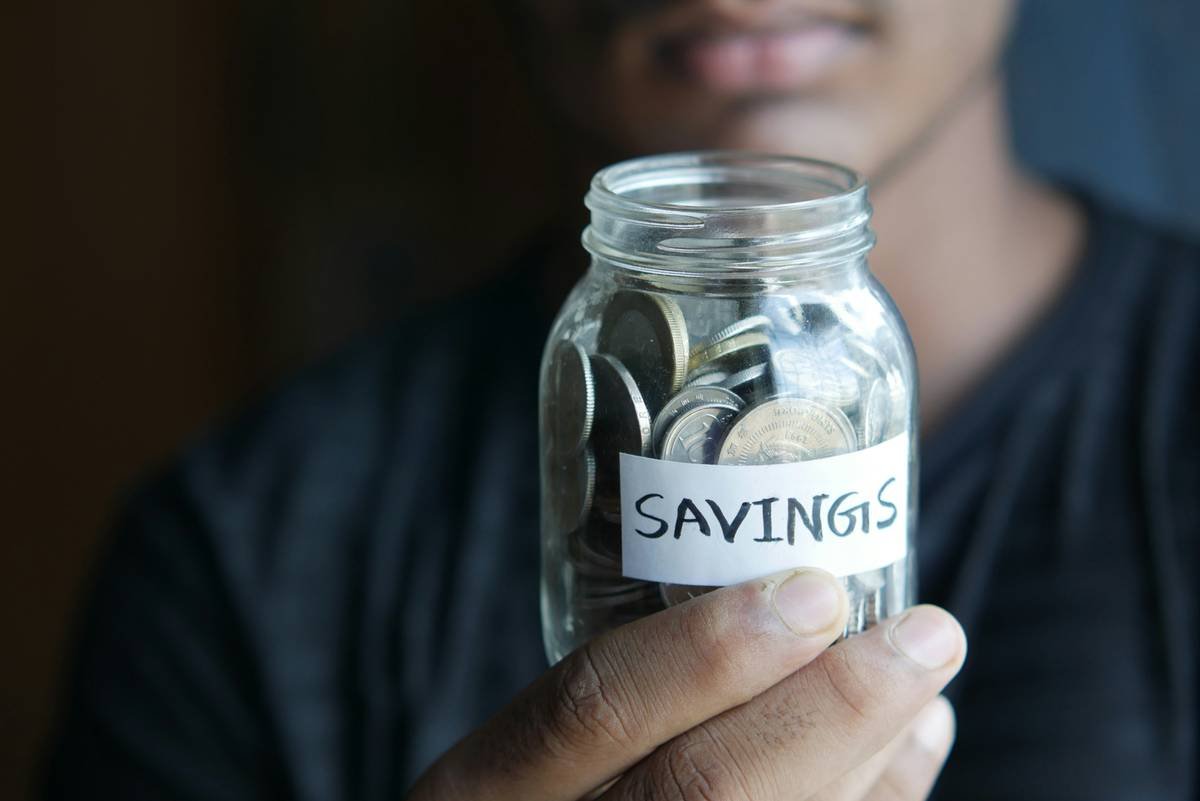
Bonus sensory overload: Imagine the sound of coins clinking together in a jar during those early days of saving… satisfying, right?
FAQs: All Your Burning Questions About Emergency Funds Answered
Should I Stop Paying Off Debt to Build My Emergency Fund?
Short answer: No. Balance both. Focus on high-interest debts while contributing small amounts to your emergency stash simultaneously.
Where Should I Store My Emergency Fund?
High-yield savings accounts are your best bet—they offer liquidity and better interest rates than traditional checking accounts.
What Happens If I Dip Into My Fund For Non-Emergencies?
You’ve essentially reset your progress. Try not to touch the funds unless absolutely necessary.
Conclusion
Wrapping it up, an emergency fund budget template paired with top-notch coaching apps transforms chaotic finances into organized bliss. From defining clear goals to automating deposits, every step builds resilience against life’s surprises.
Remember, consistency trumps perfection. So, grab that latte—or whatever fuels you—and get started today!
*Final Easter egg alert*: Like Pokémon cards, collecting dollars for your emergency fund takes strategy… and patience. Gotta save ’em all!

