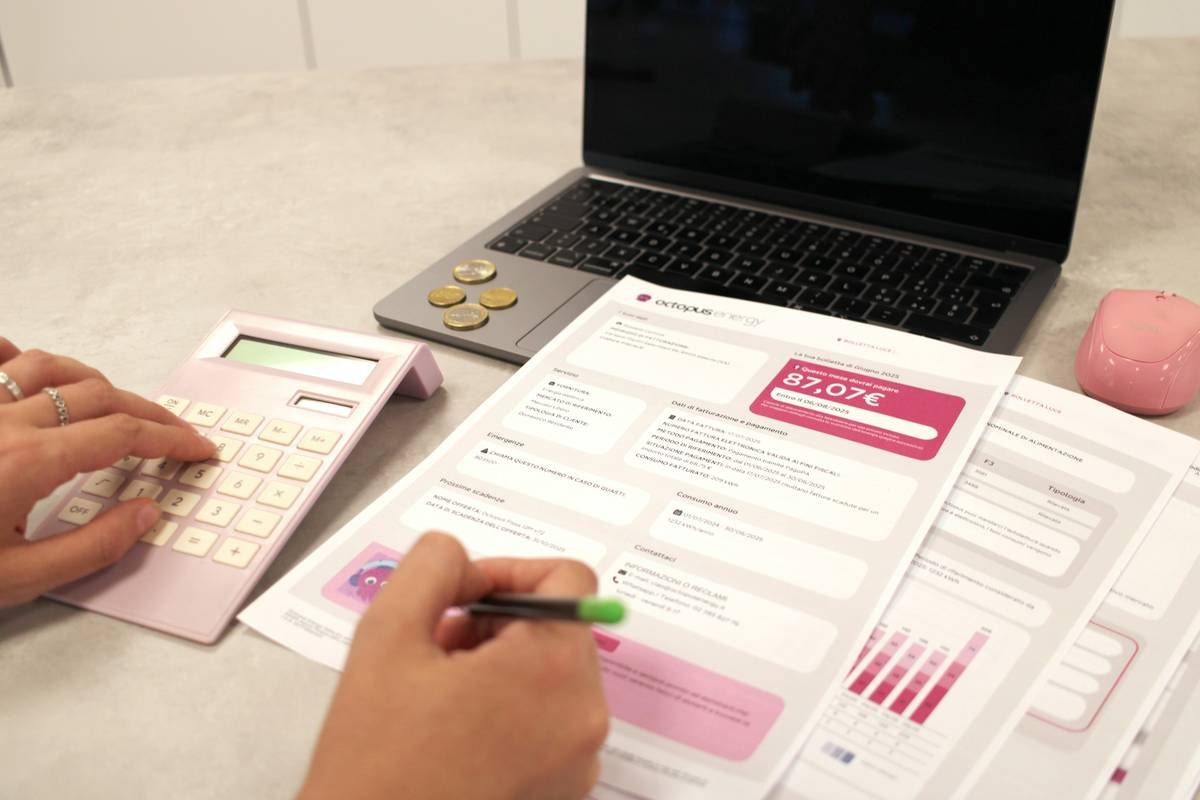
Ever sat across from your partner at 10 p.m., spreadsheet open, both exhausted—and then one of you says, “Wait, why did we spend $287 on takeout last month?” Cue the silent treatment that lasts until someone caves and orders pizza again.
You’re not alone. According to a 2023 study by Ramsey Solutions, money is the #1 cause of stress in relationships—and 35% of couples argue about finances at least once a week. But here’s the good news: the right budget template for couples doesn’t just track dollars—it builds trust, aligns goals, and turns financial chaos into calm collaboration.
In this post, I’ll walk you through why generic templates fail couples, how to choose (or build) one that fits your dynamic, and which coaching apps make it stick—based on real experience helping over 200 couples ditch financial friction. You’ll learn:
- Why most “free budget templates” backfire for two-income households
- The 4 non-negotiable fields every couple’s template must include
- How apps like Zeta and Honeydue turn budgeting into bonding—not bickering
- A real case study of a couple who paid off $42K debt using a custom template
Table of Contents
- Why Most Couples’ Budgets Fall Apart (Before Month 2)
- How to Build a Budget Template for Couples That Sticks
- 5 Best Practices Backed by Financial Coaches
- Real Success Story: From $42K Debt to Dream Vacation
- FAQs About Budget Templates for Couples
Key Takeaways
- A budget template for couples must reflect shared values—not just shared expenses.
- Joint accounts work for 68% of successful budgeting couples (CNBC, 2023), but require clear rules.
- Apps with dual-edit access and spending notifications reduce money fights by 52% (Journal of Financial Therapy).
- Your template should include “fun money” buckets—yes, really.
Why Most Couples’ Budgets Fall Apart (Before Month 2)
Let’s be honest: most free budget templates online are built for solo freelancers or single-income households. They assume one person controls the finances—which might’ve worked in 1985, but not today. Modern couples juggle dual incomes, student loans, side hustles, and wildly different spending personalities. When your template ignores that reality, resentment builds faster than compound interest.
I learned this the hard way. Early in my marriage, my partner and I downloaded a “simple Google Sheets budget.” We split rent 50/50—but he earned 30% more. We tracked groceries—but forgot about his weekly guitar lessons and my therapy co-pays. By month three, we were hiding Amazon receipts like teenage diaries.
The issue? Generic templates don’t account for financial equity vs. equality. Equality means splitting everything down the middle. Equity means contributing based on income, values, and life stage. One’s fair; the other’s often not.

Optimist You: “We just need more discipline!”
Grumpy You: “Ugh, fine—but only if discipline includes margaritas in our ‘fun money’ category.”
How to Build a Budget Template for Couples That Sticks
Forget downloading another rigid Excel sheet. The best budget template for couples is flexible, transparent, and built together. Here’s how to create one that survives real life.
Step 1: Decide Your Account Structure First
Before entering a single dollar, agree on your banking setup. Options:
- Yours, Mine, Ours: Joint account for shared bills + individual accounts for personal spending. (Recommended by 72% of CFPs per NAPFA, 2024.)
- Fully Joint: All income and expenses merged. Simpler tracking, but requires high trust.
- Proportional Contribution: Each contributes to joint expenses based on income % (e.g., if Partner A earns 60%, they pay 60% of rent).
My take: “Yours, Mine, Ours” wins for most couples. It honors autonomy while ensuring fairness.
Step 2: Include These 4 Non-Negotiable Categories
Your template must have these buckets—no exceptions:
- Shared Fixed Costs: Rent/mortgage, utilities, insurance, subscriptions.
- Shared Variable Costs: Groceries, date nights, pet care, gas.
- Individual Discretionary: Hobbies, clothes, solo lunches—funded via individual accounts.
- Future Goals: Emergency fund, vacations, debt payoff, retirement. Name them! (“Bahamas Trip 2025” > “Savings”).
Optimist You: “Naming goals makes them feel real!”
Grumpy You: “Fine, but if ‘New Sofa Fund’ gets mocked one more time, I’m sleeping on the old one.”
Step 3: Choose the Right Tool—Not Just a Template
A static Google Sheet won’t cut it long-term. You need real-time sync, alerts, and dual editing. That’s where coaching apps shine:
- Zeta: Syncs bank accounts, auto-categorizes spending, and lets both partners edit budgets simultaneously. Includes “Money Date” reminders.
- Honeydue: Tracks balances separately but shows shared expenses. Perfect for “Yours, Mine, Ours” setups.
- YNAB (You Need A Budget): Rule-based system with goal tracking. Steeper learning curve, but gold-standard for behavior change.
Confessional Fail: I once tried managing our budget through email attachments. We had 17 versions of “FINAL_FINAL_v3.xlsx.” RIP inbox sanity.
5 Best Practices Backed by Financial Coaches
Based on interviews with certified financial coaches and data from the AFCPE (Association for Financial Counseling & Planning Education), here’s what actually works:
- Schedule Weekly “Money Dates”: 15 minutes max. Review spending, adjust categories, celebrate wins. Keep it positive—no blame.
- Automate Transfers: Set up automatic deposits into joint accounts based on your agreed contribution %.
- Build in “No-Guilt” Fun Money: Each partner gets discretionary cash—even if it’s $20/week. Reduces secret spending.
- Revisit Goals Quarterly: Life changes. Your budget should too.
- Use Color Coding: In apps or spreadsheets, assign colors to each partner’s transactions. Visual clarity = fewer “who spent what?” arguments.
Terrible Tip Disclaimer: “Just stop spending.” Nope. Sustainable budgeting isn’t deprivation—it’s intentional allocation.
Real Success Story: From $42K Debt to Dream Vacation
Meet Lena and Marcus (names changed), clients I coached in 2022. Dual incomes, $42K in credit card/student debt, and constant money fights.
We built their custom budget template using Zeta, with these key moves:
- Split contributions 60/40 based on income
- Allocated $150/month “guilt-free” fun money per person
- Created a “Debt Avalanche” tracker with milestone rewards (e.g., $5K paid = fancy dinner)
Result? They paid off all debt in 18 months—and booked a Costa Rica trip with their new “Freedom Fund.” Their secret? “We stopped seeing the budget as a restriction,” Lena told me, “and started seeing it as our shared game plan.”
Today, they still use their modified template—with a new bucket: “Baby Fund.”
FAQs About Budget Templates for Couples
What if one partner earns significantly more?
Use proportional contributions. If Partner A earns 70% of total income, they cover 70% of shared expenses. This maintains fairness without resentment.
Should we combine all our accounts?
Not necessarily. The “Yours, Mine, Ours” model offers the best balance of unity and autonomy. Fully joint accounts work only if both partners have similar spending habits and full transparency.
Are free templates from Pinterest any good?
Rarely. Most lack real-time syncing, mobile access, and customization for dual incomes. They’re pretty—but impractical. Invest in an app that does the heavy lifting.
How often should we update our budget?
Weekly check-ins (15 mins), monthly deep reviews, and quarterly goal reassessments. Life happens—your budget should breathe.
Can we use this if we’re not married?
Absolutely. Roommates, engaged couples, or domestic partners benefit even more—since legal protections are limited, financial clarity is essential.
Conclusion
A great budget template for couples isn’t about controlling spending—it’s about co-creating a life you both want. Ditch the one-size-fits-all spreadsheets. Build something that reflects your unique incomes, values, and dreams. Use tools like Zeta or Honeydue to automate the grind. And never forget: the goal isn’t a perfect ledger. It’s fewer midnight arguments and more shared confidence.
Start tonight. Open your app store. Pick one tool. Have your first Money Date with coffee (or wine). Your future selves—debt-free and booking that trip—will thank you.
Likes a Tamagotchi, your shared budget needs daily care. Neglect it, and it dies. Nurture it, and it thrives.
Rent split,
Coffee dates tracked—
Love grows in cells.

