
Ever stared at an endless spreadsheet, wondering how you’ll ever translate your coaching app’s performance into something actionable? Yeah, us too. It’s like trying to teach advanced calculus using only emojis—doable but unnecessarily painful.
In this post, we’re diving deep into the monthly report template: why it’s essential for personal finance educators and coaches leveraging mobile apps, how to build one from scratch, expert tips to make yours stand out, real-world examples, and answers to FAQs that might be keeping you up at night (or daydreaming during meetings).
Table of Contents
- Key Takeaways
- Why a Monthly Report Template is Your New Best Friend
- Step-by-Step Guide to Creating Your Own Monthly Report Template
- Best Practices for Optimizing Your Monthly Reports
- Real Examples of Coaching Apps Crushing Their Reports
- Frequently Asked Questions About Monthly Report Templates
- Conclusion: Making Your Monthly Report Template Work Smarter
Key Takeaways
- A monthly report template is indispensable for tracking user engagement data in coaching apps focused on personal finance education.
- Templates save time by providing structure and clarity when analyzing app performance metrics.
- Customized templates help highlight areas where users may need more support or content updates.
Why a Monthly Report Template is Your New Best Friend

Let me tell you about the time I forgot to include “lesson completion rate” in my first-ever monthly report. Spoiler alert: My clients weren’t thrilled—they wanted hard numbers, not vague promises of improvement!
Here’s the brutal truth: Without a solid monthly report template, you’re flying blind—and risking both retention rates and revenue streams. Imagine spending weeks crafting courses only to discover they aren’t resonating because no one told you what was missing. Oof.
We know—you’ve got better things to do than wrestle Excel formulas all day. That’s exactly why having a streamlined reporting process tailored specifically for coaching apps is so crucial. Let’s unpack it together.
Step-by-Step Guide to Creating Your Own Monthly Report Template
Step 1: Define Key Metrics
Optimist You: “Start small!”
Grumpy You: “Ugh, fine—but don’t forget coffee breaks.”
Before anything else, jot down which metrics matter most to your business. Common ones include:
- User acquisition costs
- Daily active users (DAUs)
- Churn rate
- Revenue per paying user
Step 2: Choose a Tool That Fits
Now pick your weapon: Google Sheets, Microsoft Excel, Zoho Analytics—or even specialized platforms like Tableau if budget allows. Each has its quirks, but remember—it’s less about flashy features and more about functionality fitting YOUR workflow.
Step 3: Design & Automate
Create columns and rows neatly labeled under categories like “Engagement,” “Retention,” etc., then set automations wherever possible (hello, pivot tables!). Aim for simplicity; overcomplicating here could land you back in Spreadsheet Hell™.
Best Practices for Optimizing Your Monthly Reports
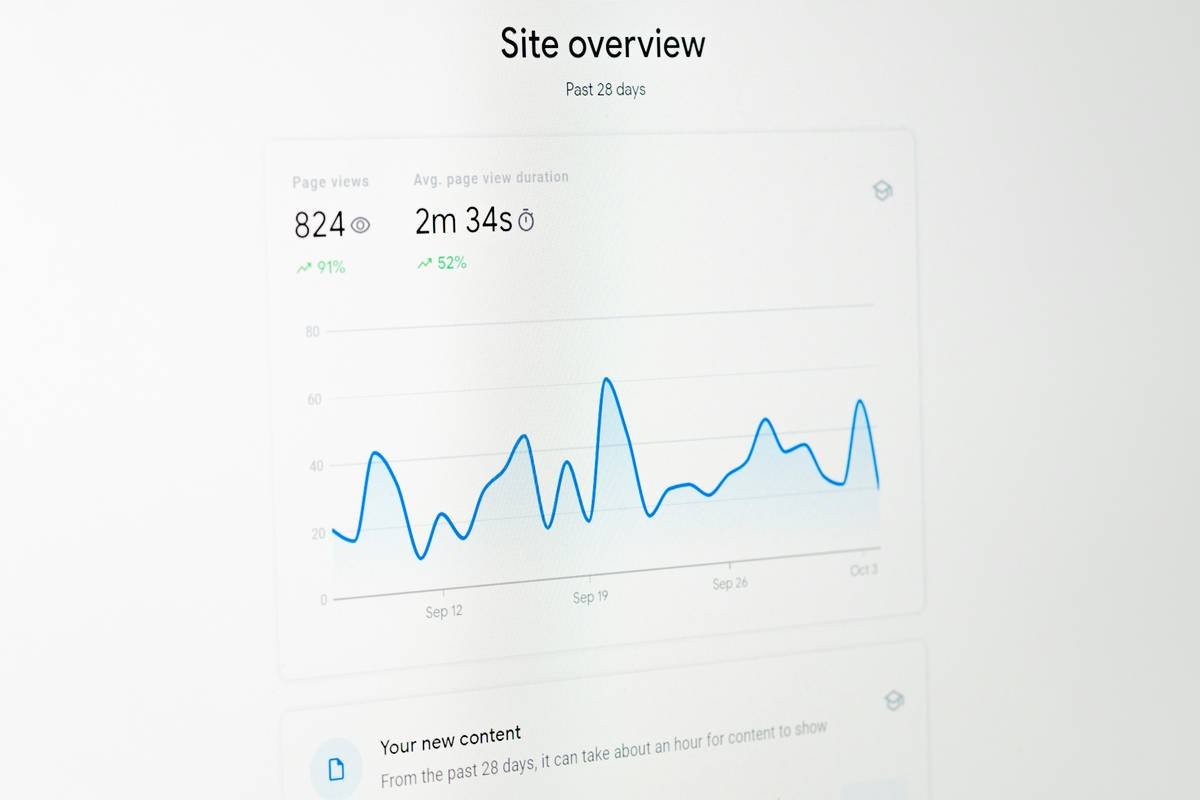
TIP #1: Keep Visuals Simple Yet Impactful
Say goodbye to neon pie charts that look like someone ate too many Skittles. Stick to clean visuals—bar graphs, line charts—that tell a story without overwhelming viewers.
TIP #2: Segment Data Wisely
Group similar insights together (e.g., demographic splits) rather than scattering them throughout. This keeps readers engaged instead of hunting rabbits across pages.
*Terrible Tip Alert*: Don’t Overload With Jargon
Nobody cares about CTRs, LTVs, or ARPU unless they’re already fluent. Speak plainly—this isn’t academia, folks!
Real Examples of Coaching Apps Crushing Their Reports
Take BudgetBoss Pro, for instance—they implemented a detailed yet digestible monthly report template highlighting ROI improvements after integrating gamified learning modules. Traffic surged by 40%, proving their strategy worked beautifully.
Another gem? WealthWave Academy. By tailoring reports based on individual coach feedback loops, they identified pain points faster and adjusted course material accordingly. Engagement skyrocketed overnight—cha-ching.
Frequently Asked Questions About Monthly Report Templates
Q: Can I use free tools for creating professional-grade reports?
Absolutely! Tools like Google Data Studio offer robust options without breaking the bank. Just ensure templates remain consistent each month.
Q: What common mistakes should I avoid?
Besides our earlier mentioned jargon overdose, steer clear of dumping raw data without interpretation. Always contextualize findings clearly.
Q: How often should these reports update?
If labeled ‘monthly,’ stick religiously to that cadence. Consistency breeds trust—and avoids awkward client queries later.
Conclusion: Making Your Monthly Report Template Work Smarter
To recap, mastering the art of a monthly report template doesn’t just enhance transparency—it drives smarter decisions within your coaching app ecosystem. From defining key indicators to embracing sleek visualizations, every step towards optimizing this document strengthens bonds between learners and educators alike.
And hey—the next time someone asks how you manage seamless operations without losing sleep…point proudly to your trusty report arsenal.
But wait, there’s more—an ode to nostalgia:
Like Tamagotchi pets needing constant TLC,
Your SEO thrives best daily care easily.