
Ever stared blankly at an investment progress report and wondered if it’s secretly written in Klingon? Yeah, us too. Whether you’re a newbie investor or someone who’s been navigating the stock market jungle for years, keeping track of your financial growth can feel like trying to read tea leaves—confusing and oddly unhelpful.
In this post, we’ll uncover how coaching apps can make creating (and understanding) your investment progress report not just manageable but actually enjoyable. You’ll learn why these tools are worth their weight in gold, actionable steps to use them effectively, and what mistakes to avoid along the way. Plus, there’s even a mini-rant about why spreadsheets might be secretly plotting against humanity.
Table of Contents
- Why Is an Investment Progress Report Important?
- Step-by-Step Guide to Creating Your Report with Coaching Apps
- Top Tips for Maximizing Your Coaching App Experience
- Real-Life Success Stories: Investors Who Nailed Their Reports
- FAQs About Investment Progress Reports and Coaching Apps
Key Takeaways
- An investment progress report helps you stay on top of your goals by tracking milestones.
- Coaching apps simplify data visualization and analysis, making reports more insightful.
- Avoid common pitfalls such as overloading your report with irrelevant metrics.
- Success stories show that consistent reporting leads to smarter investment decisions.
Why Is an Investment Progress Report Important?
Picture this: It’s December 31st, and instead of sipping champagne, you’re frantically scrolling through bank statements trying to figure out where all your hard-earned cash went. Oof. Not fun. An investment progress report prevents that exact scenario by serving as your personal finance GPS. Instead of aimlessly wandering, it shows whether you’re heading toward “beach house” or “ramen for dinner.”
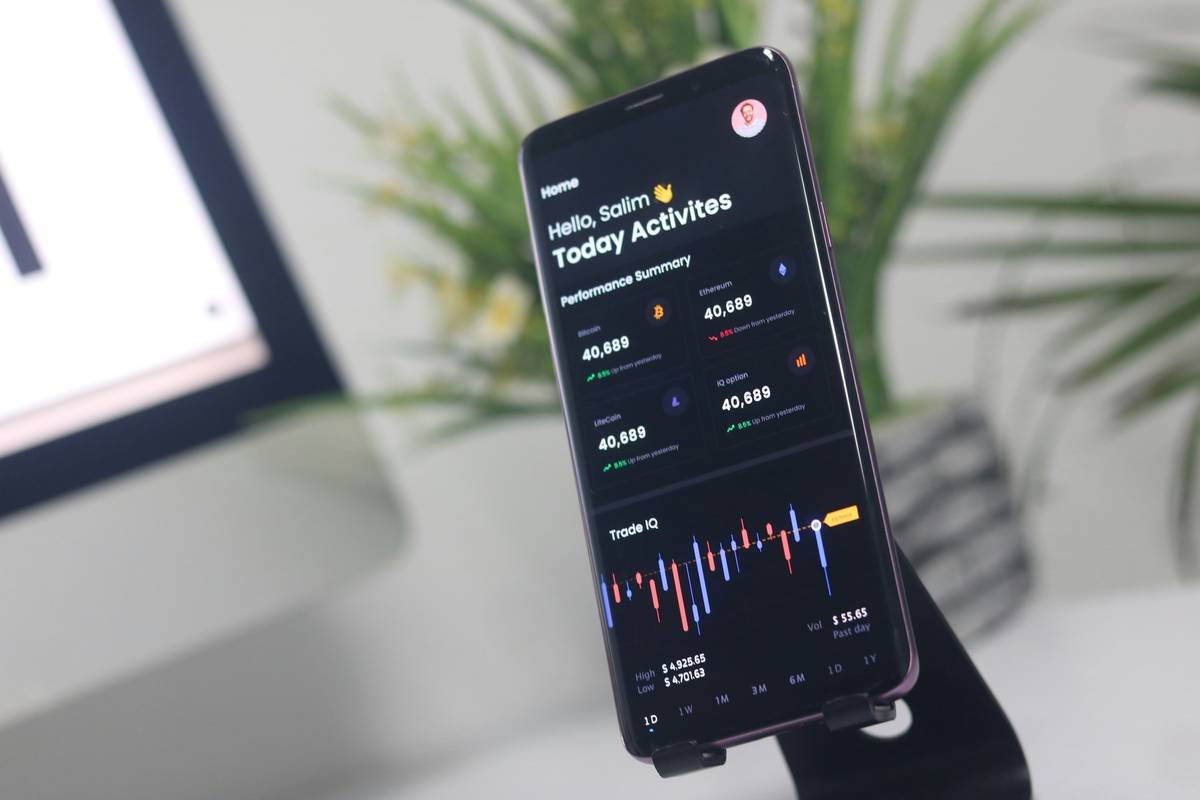
Back when I first started investing, my report was basically two scribbled lines on a napkin—one for gains and one for losses. Spoiler alert: This strategy failed spectacularly. Fast forward, and now modern coaching apps have transformed how investors approach tracking progress. They offer visual dashboards, goal-setting features, and performance analytics—all without requiring a degree in quantum physics.
Step-by-Step Guide to Creating Your Report with Coaching Apps
Alrighty, grab a coffee (or five), because we’re diving into the step-by-step process of building a killer investment progress report. Trust me, once you’ve set this up, checking your finances will feel less like pulling teeth and more like opening presents.
Step 1: Choose the Right Coaching App
Optimist You: *“There are so many great options!”*
Grumpy You: *“Ugh, fine—but only if they integrate with my existing tools.”*
Popular choices include Mint, Betterment, and Personal Capital. Look for apps with robust reporting features, intuitive design, and compatibility with your brokerage accounts.
Step 2: Set Clear Goals
No shade, but vague goals like “get rich quick” won’t cut it here. Be specific, like “save $10,000 for a down payment in 18 months.” Coaching apps let you input these targets directly, keeping your eye (and wallet) on the prize.
Step 3: Import Data Automatically
Here’s where technology swoops in like Batman. Sync your banking and investment accounts to automatically pull transaction data. Sounds like your laptop fan during a 4K render—whirrrr—but trust me, it’s game-changing.
Step 4: Customize Your Dashboard
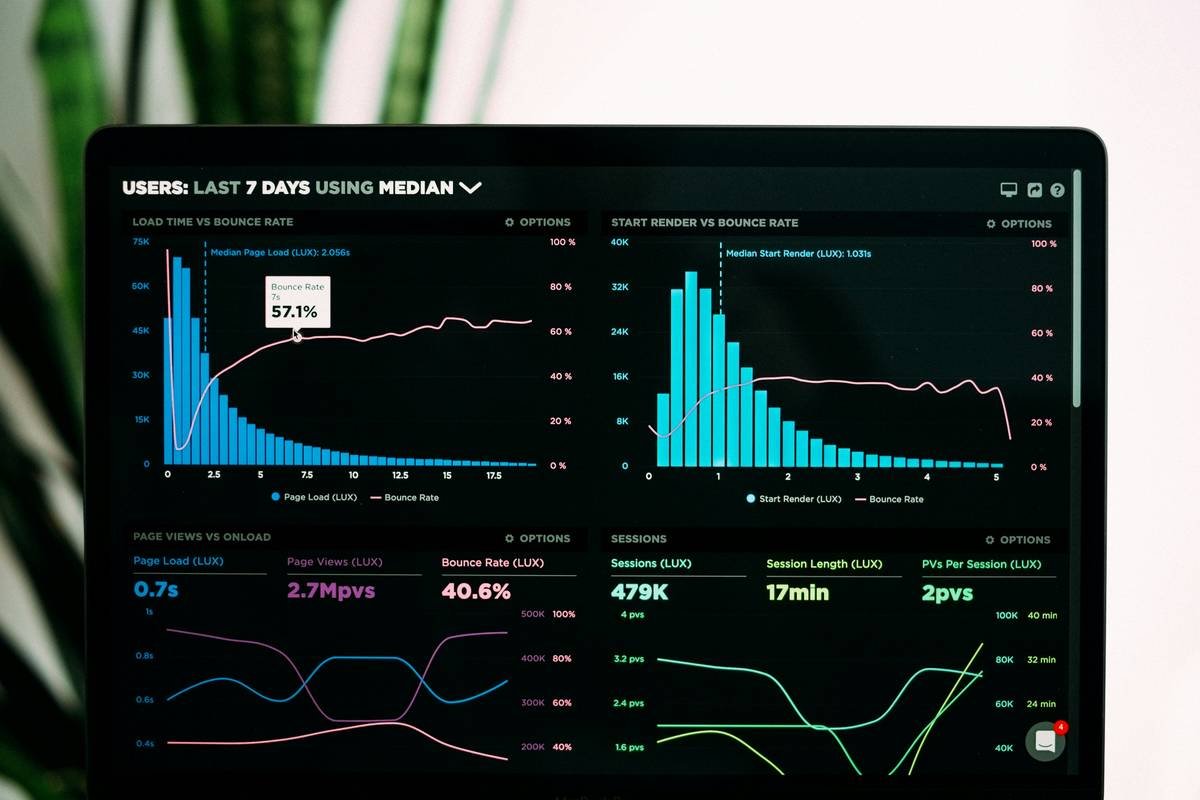
Make your dashboard *chef’s kiss* perfection. Most apps allow customization, so pick visuals that resonate with you—line graphs for trends, pie charts for allocations, etc.
Top Tips for Maximizing Your Coaching App Experience
- Update Regularly: Treat your investment progress report like a Tamagotchi; neglect it, and chaos ensues.
- Avoid Metric Overload: Stick to KPIs that matter most. Too much info turns your report into alphabet soup.
- Use Alerts: Get notifications for dips or spikes—it’s like having a tiny money guardian angel on call.
- TERRIBLE TIP DISCLAIMER: Don’t ignore fees. I once blew half my monthly budget on app subscription charges due to laziness. Rookie move.
RANT ALERT: The Great Spreadsheet Conspiracy
Seriously, though. Why do traditional investment trackers insist on using spreadsheets? Those things are the financial equivalent of tangled earbuds. You spend more time untangling than actually listening—or analyzing, in this case. Save yourself the headache and go digital!
Real-Life Success Stories: Investors Who Nailed Their Reports
Let’s talk real-world wins. Sarah, a freelance graphic designer, used a coaching app to track her portfolio. Within a year, she increased her returns by 15% simply by adjusting asset allocation based on insights from her investment progress report.

FAQs About Investment Progress Reports and Coaching Apps
What Should My Investment Progress Report Include?
Ideal components include total portfolio value, asset allocation breakdown, key milestones achieved, and areas for improvement.
Can Free Coaching Apps Do Everything Paid Versions Offer?
Some free versions lack advanced analytics or integrations, but they’re still excellent starting points.
How Often Should I Review My Report?
Monthly reviews keep you aligned with short-term goals, while quarterly deep dives help evaluate long-term strategies.
Conclusion
By now, you know exactly why mastering your investment progress report with coaching apps is essential—and how to do it like a pro. Remember to choose the right tools, set clear goals, and avoid metric overload. Yes, spreadsheets suck, but luckily, you don’t need to rely on them anymore.
Stay disciplined, stay curious, and may your investments grow faster than your Wi-Fi bill.
P.S. Like a Tamagotchi, your SEO needs daily care.