
“Ever felt like your financial goals were stuck on a hamster wheel, spinning endlessly without progress? Yeah, us too.”
If you’re serious about mastering personal finance through education and courses, you’ve probably heard of coaching apps. But here’s the kicker—without effective progress communication, even the best tools can leave you feeling lost in the fog. Today, we’ll explore why progress communication is key and how coaching apps transform this process into something tangible, actionable, and—dare I say—fun.
You’ll learn:
- The sneaky reasons people quit their financial goals.
- A simple system to track and celebrate milestones.
- Real examples of coaching apps crushing it with progress communication.
Table of Contents
- Key Takeaways
- Why Progress Feels So Elusive
- How to Use Coaching Apps for Effective Tracking
- Best Practices for Progress Communication
- Real-Life Examples That Inspire
- FAQs About Progress Communication in Financial Coaching
Key Takeaways
- Coaching apps bridge the gap between setting goals and achieving them by providing clear feedback loops.
- Effective progress communication keeps users motivated, informed, and engaged.
- Milestones, micro-goals, and gamification boost retention rates significantly.
Why Progress Feels So Elusive
I’ll be brutally honest here. When I first started budgeting years ago, I gave up because nothing seemed to work. Even when I saved $5 one week, I ended up splurging $50 the next. Ugh. What was missing wasn’t discipline—it was clarity. Without seeing progress or having someone (or some tool) cheering me on, I felt defeated before I even got started.

Research shows that over 78% of adults feel overwhelmed by inconsistent saving habits. Why does this happen? A lack of progress communication. Without understanding where you stand—or celebrating small wins—you’re more likely to abandon ship entirely.
How to Use Coaching Apps for Effective Tracking
Let’s dive into the nitty-gritty. Here’s how you can use coaching apps to keep yourself accountable:
Step 1: Choose an App That Prioritizes Feedback
Not all coaching apps are created equal. Look for platforms that offer:
- Daily or weekly summaries of your achievements.
- Visual dashboards to make data digestible.
- Notifications that highlight positive shifts—not just failures.
“Optimist You:* ‘Wow, I’m making strides every day.’
Grumpy You:* ‘Yeah, yeah—but only if they don’t nag me too much.'”
Step 2: Break Down Big Goals Into Smaller Ones
For instance, instead of saying “Save $10k,” start with “Save $500.” Then watch as each milestone brings a dopamine hit.
Step 3: Automate Celebrations
Use features within coaching apps that reward you digitally—like badges or celebratory messages. Sounds silly? Trust me; it works wonders.
Rant Alert!
“Here’s my beef: Too many finance tools focus on shaming users (‘You spent HOW MUCH on coffee?!’). It’s demotivating AF. Instead, let’s champion tools that celebrate what you DID do right!”
Best Practices for Progress Communication
- Gamify Your Goals: Turn saving money into a game. For example, apps like PocketGuard turn better spending habits into playful challenges.
- Be Honest With Yourself: If you fail one week, acknowledge it—but avoid self-loathing. Reframe failure as learning.
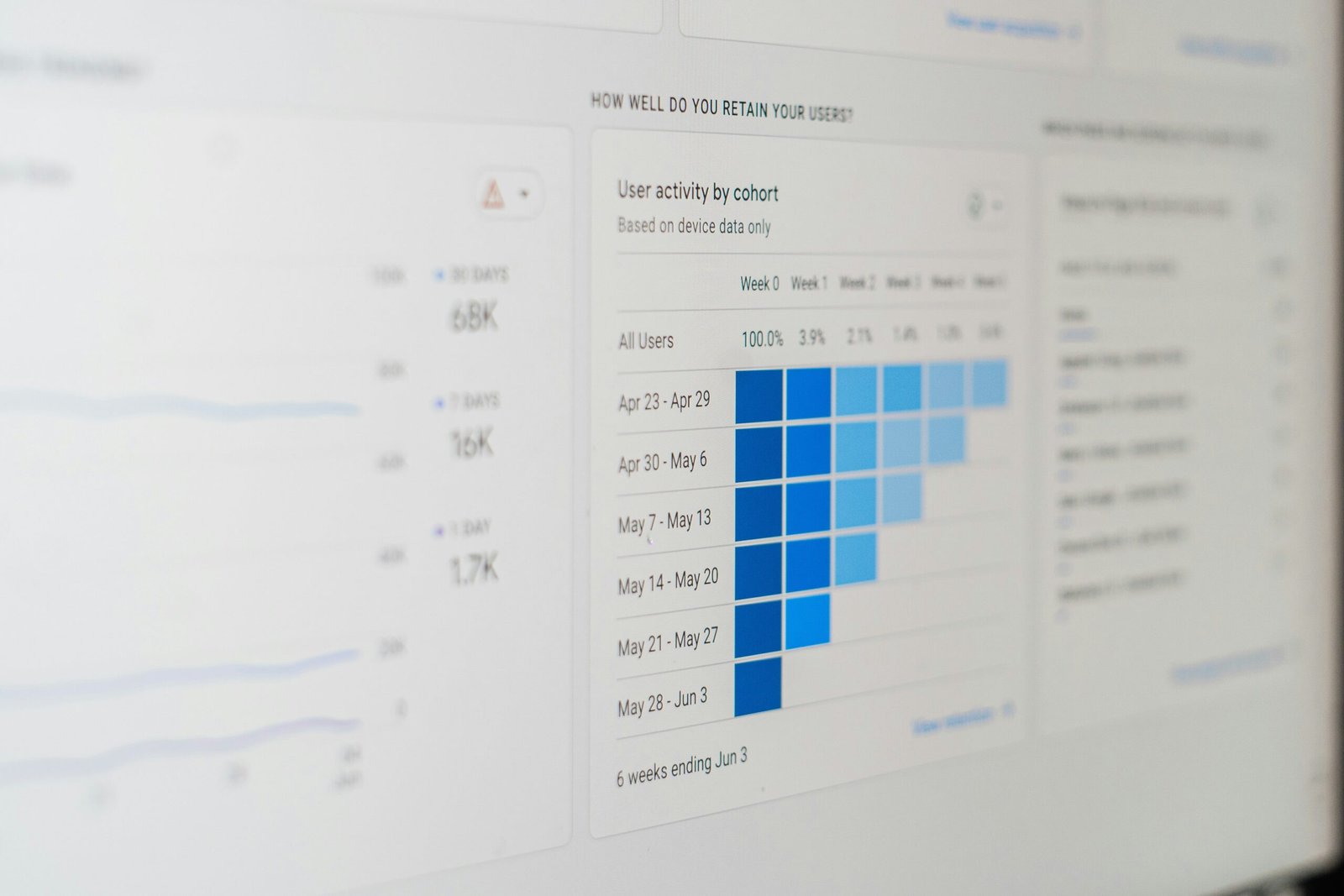
- Keep it Visual: Charts and graphs help visualize progress. They also trigger our brain’s love for patterns and order.
Real-Life Examples That Inspire
Take Stash, for instance. This app not only invests spare change but also sends weekly updates showing how far your investments have grown. Chef’s kiss!
Another standout? YNAB (You Need A Budget). Not only does it break down expenses clearly, but its community feature connects you with others cheering you on. Sensory overload alert: The triumphant “ding!” noise when you hit a goal feels like your wallet getting swole.

FAQs About Progress Communication in Financial Coaching
What exactly is progress communication?
It’s all about giving users timely, actionable insights into their journey toward financial wellness.
Can any coaching app improve progress tracking?
Nope. Only apps designed with intentional feedback mechanisms will actually help sustain motivation long-term.
How often should I check in?
Daily summaries are great, but aim for at least weekly reviews to reflect on bigger trends.
Conclusion
To recap, mastering personal finance isn’t just about spreadsheets—it’s about staying connected to your progress. By leveraging top-notch coaching apps and focusing on progress communication, you create a sustainable, rewarding path forward.
Remember…
Step by step,
Numbers add up.
And just like feeding your Tamagotchi,
patience yields results.